
What Do Dallas County’s 72K Pending Cases Mean for Assault Defense?
Facing Assault Charges When Courts Are Overwhelmed
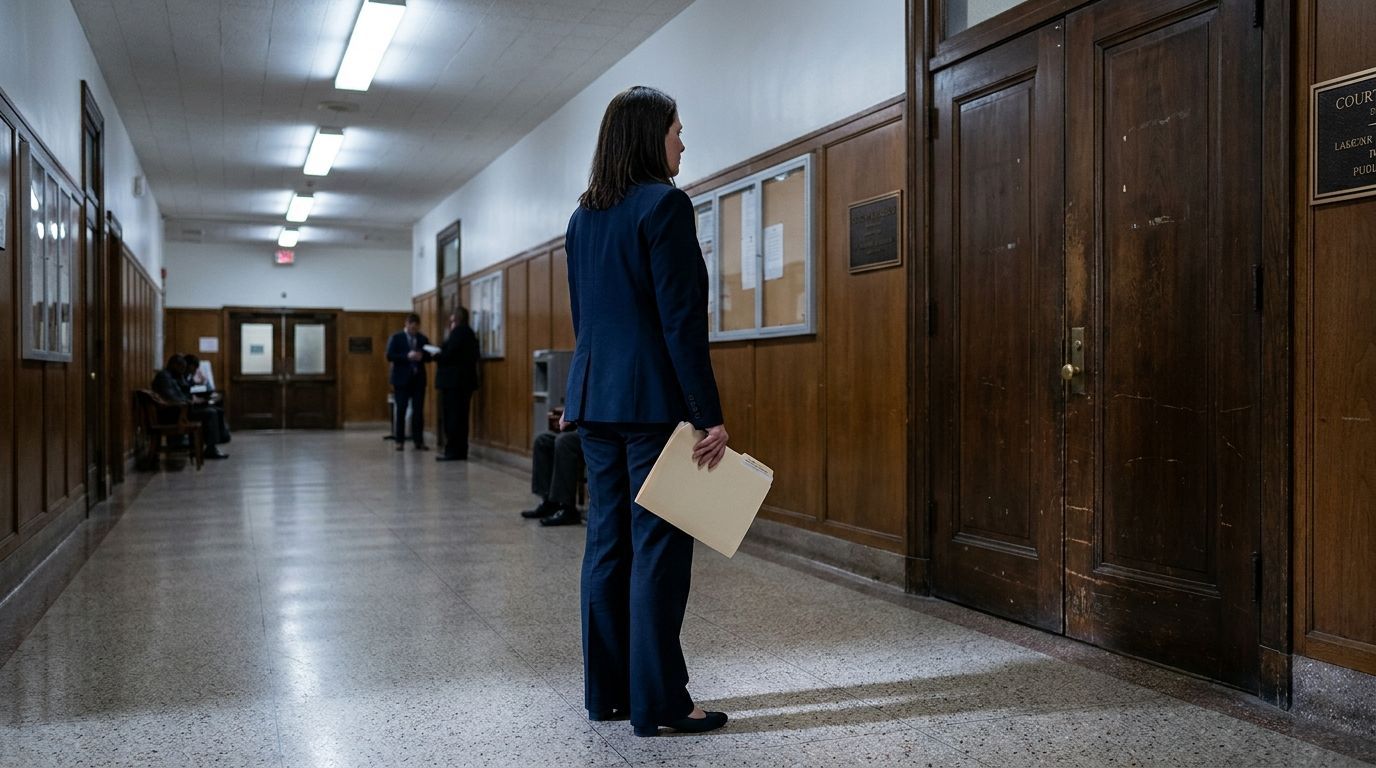
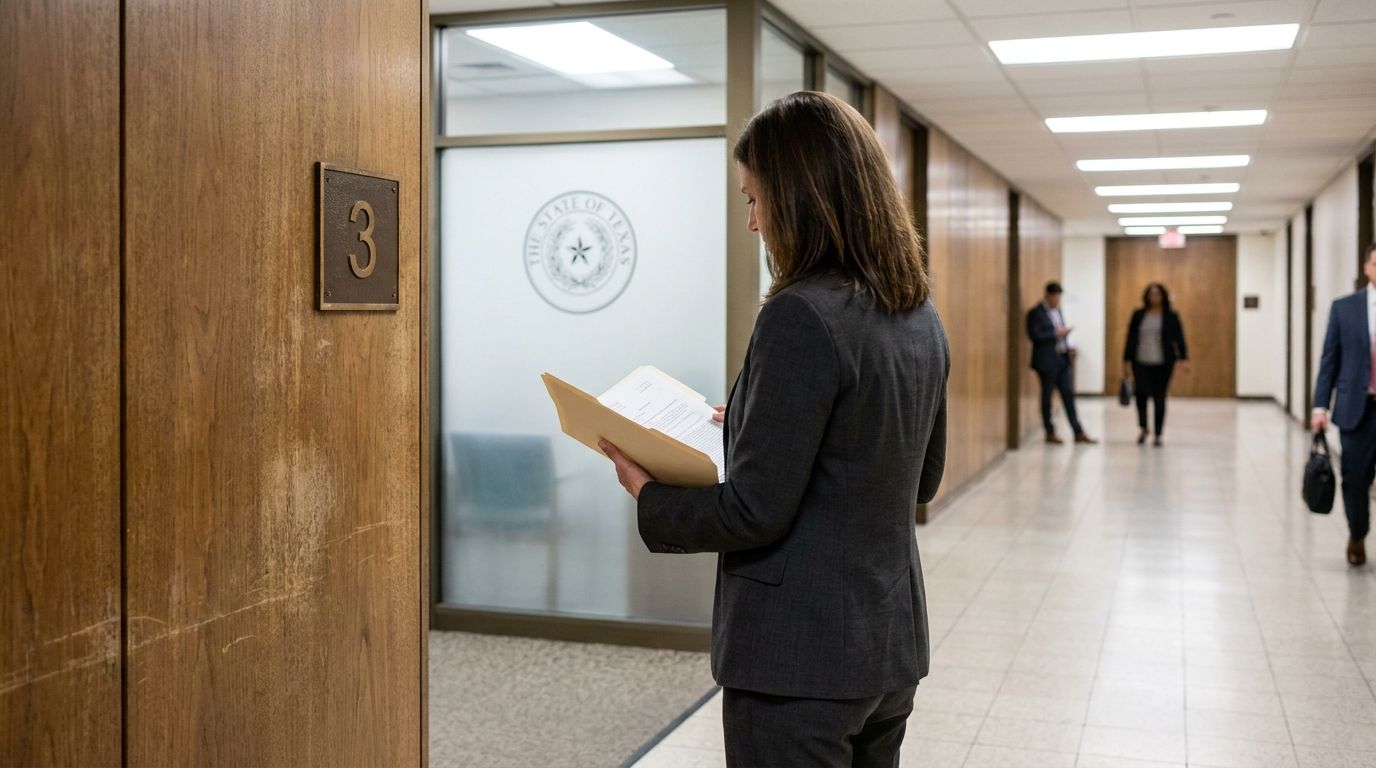
If you’re facing assault charges in Texas right now, you’re entering a criminal justice system under unprecedented strain. The implementation of the Odyssey Criminal Court management system in May 2023 has created significant data integration challenges, leaving thousands of cases in limbo. As of July 2024, Dallas County jail held 6,467 inmates, with monthly booking averages hovering around 150 new arrests. This backlog doesn’t just mean delays – it fundamentally changes how your defense strategy needs to work.
 Pro Tip:
Document everything about your case immediately, including witness contact information and any evidence, as court delays can cause memories to fade and evidence to disappear.
Pro Tip:
Document everything about your case immediately, including witness contact information and any evidence, as court delays can cause memories to fade and evidence to disappear.
When you’re caught in the whirlwind of court delays and pending assault cases, your best ally is skilled legal guidance. The Law Offices of Robert Gregg is here to navigate these unprecedented challenges and craft a strategic defense tailored to your situation. Don’t let the system’s backlog determine your future—reach out now at 214-559-3444 or contact us for a consultation.
Understanding Texas Assault Laws While Waiting for Your Day in Court
Under Texas Penal Code Section 22.01, assault occurs when someone intentionally, knowingly, or recklessly causes bodily injury to another person, threatens someone with imminent bodily injury, or causes physical contact that’s offensive or provocative. What many people don’t realize is how quickly these charges can escalate. A simple assault charge, typically a Class A misdemeanor, jumps to a third-degree felony if the alleged victim is a public servant, family member with prior convictions, or emergency services personnel. Working with an assault and battery lawyer in Dallas becomes crucial when understanding these distinctions.
Aggravated assault under Section 22.02 takes things even further – this occurs when serious bodily injury is caused or a deadly weapon is used or exhibited during the assault. These charges are generally second-degree felonies, carrying much heavier penalties. The distinction between "bodily injury" and "serious bodily injury" can mean the difference between months in county jail and years in state prison. State jail felony offenders may be confined for no more than two years or less than 30 days, but the real impact extends far beyond incarceration.
Pro Tip:
The victim’s consent can be a defense to assault charges if the conduct didn’t threaten or inflict serious bodily injury – but proving this requires careful legal strategy and documentation.
What to Expect When Criminal Courts Are Backlogged
The current case backlog means your assault case timeline looks very different than it would have just a few years ago. Since the Odyssey system went live on May 22, 2023, data integration problems have plagued the system. The DEWR bucket classification system isn’t updating accurately, creating confusion about case statuses and court dates. Here’s what you need to know about navigating this extended timeline:
- Initial booking and bail proceedings still happen within 24-48 hours, despite system delays
- Arraignment dates are being pushed back 3-6 months in many cases, compared to the usual 2-4 weeks
- Discovery exchanges are taking longer as prosecutors struggle with case management systems
- Pre-trial hearings may be rescheduled multiple times due to court congestion
- Trial dates, if reached, could be 18-24 months from arrest instead of the typical 6-12 months
Pro Tip:
Use this extended timeline to your advantage by thoroughly investigating your case, securing witness affidavits while memories are fresh, and exploring pre-trial diversion programs that may have expanded eligibility due to court backlogs.
Strategic Defense Options When Courts Can’t Keep Up
The overwhelming caseload creates unique opportunities for strategic defense that an experienced assault and battery lawyer in Dallas can leverage. Prosecutors facing thousands of pending cases may be more willing to negotiate favorable plea agreements or consider alternative resolutions. The Law Offices of Robert Gregg understands how to navigate these unprecedented circumstances, using the system’s current challenges to benefit clients. With booking averages remaining steady at around 150 per month but court processing significantly slowed, there’s increased pressure on prosecutors to prioritize only the most serious cases.
This backlog also means witnesses become harder to locate, evidence can degrade, and memories fade – all factors that can work in favor of the defense when properly managed. The data from the Texas Penal Code Chapter 22: Assaultive Offenses shows clear guidelines for charge classifications, but applying these standards becomes more complex when cases sit for months without movement. A strategic defense approach might include filing speedy trial motions, negotiating for reduced charges, or pushing for dismissal based on the state’s inability to proceed timely.
Pro Tip:
Request regular case status updates from your attorney and stay engaged in your defense – court backlogs can sometimes lead to cases being overlooked or improperly prioritized.
How Case Delays Impact Evidence and Witness Testimony
Extended case timelines fundamentally change how evidence works in assault cases. Physical evidence like surveillance footage may be deleted after 30-90 days if not properly preserved. Witness memories become less reliable over time, and people move away or become unavailable. The Dallas County Jail Population Packet June 2024 shows consistent booking numbers, meaning new cases keep piling up while old ones wait for resolution. This creates a perfect storm where crucial evidence disappears while cases languish.
Preserving Your Defense in a Slow-Moving System
Smart defendants and their attorneys take immediate action to preserve evidence that might otherwise vanish. This includes requesting businesses to save security footage, obtaining medical records while injuries are documented, and securing written statements from witnesses while events remain fresh. An assault and battery lawyer in Dallas who understands these time-sensitive issues can mean the difference between a strong defense and a compromised case. The longer your case takes to resolve, the more critical these early preservation efforts become.
Pro Tip:
Create a timeline of events immediately after any incident and update it regularly with new information – this contemporaneous record becomes invaluable when cases drag on for months or years.
Understanding Charge Enhancements in Overloaded Courts
One often overlooked aspect of assault cases in the current system is how charge enhancements work when courts are overwhelmed. Texas law allows assault charges to be enhanced based on the victim’s status or your prior criminal history. With data systems not updating accurately since May 2023, verifying prior convictions or victim status becomes more challenging. This can work both for and against defendants – incomplete records might miss enhancements, but they could also fail to show exculpatory information.
Navigating Classification Challenges
The distinction between assault classifications matters enormously for your future. A Class A misdemeanor assault might result in county jail time, while a third-degree felony enhancement means potential state prison. The Texas Penal Code Chapter 22: Assaultive Offenses clearly defines these classifications, but applying them requires accurate data that the current system struggles to provide. Your assault and battery lawyer in Dallas needs to independently verify all charging information rather than relying on potentially flawed court records.
Pro Tip:
Request complete criminal history reports from multiple sources to ensure accuracy – don’t rely solely on what the court system shows, especially given current data integration problems.
Frequently Asked Questions
Common Legal Concerns in Backlogged Assault Cases
With thousands of cases pending and system delays affecting everyone, defendants have urgent questions about their rights and options. Understanding how these unprecedented delays impact your specific situation requires looking at both the law and the practical realities of an overwhelmed court system.
Pro Tip:
Keep a detailed log of all court dates, including cancellations and rescheduling – this documentation can support motions for dismissal based on speedy trial violations.
Moving Forward Despite System Delays
While the court system struggles with backlogs, your life continues. Understanding your options for moving forward, whether through alternative resolution or aggressive defense, helps you make informed decisions about your future despite systemic challenges.
Pro Tip:
Consider pre-trial intervention programs or deferred adjudication options that might be more readily available as courts seek to reduce their caseloads.
1. How long will my assault case take with current court backlogs?
Based on current Dallas County data, assault cases that previously took 6-12 months are now extending to 18-24 months or longer. The jail population snapshot from July 2024 showed 6,467 inmates with consistent monthly bookings around 150, meaning new cases continue adding to the backlog. Your specific timeline depends on charge severity, court availability, and whether you pursue alternative resolutions.
2. Can court delays help my assault and battery defense strategy?
Yes, delays can create strategic advantages. Witness memories fade, evidence may become unavailable, and prosecutors facing mounting caseloads may offer better plea deals. However, delays can also mean extended time on bond or in custody. An experienced attorney knows how to leverage these delays while protecting your rights to a speedy trial.
3. What’s the difference between assault and aggravated assault in Texas?
Simple assault under Section 22.01 involves causing bodily injury, threatening harm, or offensive contact. Aggravated assault under Section 22.02 requires serious bodily injury or use of a deadly weapon. The distinction affects whether you face misdemeanor or felony charges, with state jail felonies carrying 30 days to 2 years, while second-degree felonies can mean 2-20 years in prison.
4. How do data system problems affect my assault case?
Since the Odyssey Criminal Court management system implementation in May 2023, data accuracy has been compromised. The DEWR bucket classification system isn’t updating properly, potentially affecting how your charges are classified, prior convictions are counted, and court dates are scheduled. This requires extra vigilance from your legal team to ensure accurate information.
5. Should I accept a plea deal due to court backlogs?
This depends entirely on your specific circumstances. While prosecutors may offer better deals to clear cases, accepting a plea still creates a criminal record. The Dallas County Jail Population Packet June 2024 data shows consistent arrest rates, meaning prosecutors need to move cases. Consult with an assault battery lawyer Dallas Texas can provide to evaluate whether waiting for trial or accepting an offer serves your best interests.
Work with a Trusted Assault & Battery Lawyer
When facing assault charges in an overwhelmed court system, having knowledgeable legal representation becomes even more critical. The current backlog means your case requires both patience and strategic action. A lawyer who understands how to navigate data system failures, leverage court delays, and protect your rights throughout an extended process can make the difference between a conviction and a favorable resolution. The complexities of Texas assault laws, combined with unprecedented systemic challenges, demand experienced guidance to protect your future.
In the midst of court delays and mounting assault cases, the Law Offices of Robert Gregg stand ready to guide you through these complex challenges. Don’t let the backlog shape your destiny—take control and discuss your situation with us today at 214-559-3444 or contact us. Your future is worth the conversation.